

Supplements
Ashwagandha Root
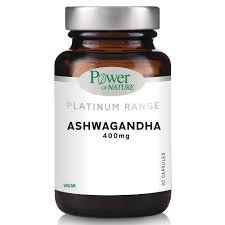



Ashwagandha (Withania somnifera), a powerful adaptogenic herb used in Ayurvedic medicine, offers numerous health benefits backed by traditional use and modern research. Here are some of the key benefits:
1. Stress Reduction and Anxiety Relief
Ashwagandha helps reduce cortisol levels, the hormone associated with stress.
It has calming effects, making it beneficial for anxiety management.
2. Improved Sleep Quality
It can help improve sleep patterns and reduce symptoms of insomnia, especially when stress is a contributing factor.
3. Enhanced Cognitive Function
Ashwagandha is believed to support memory, focus, and overall brain health.
It may protect against neurodegenerative diseases and improve reaction times.
4. Boosted Energy and Stamina
It enhances physical performance and endurance by improving oxygen usage and reducing fatigue.
5. Hormonal Balance
It can support thyroid function and balance hormones, benefiting those with hypothyroidism.
In men, it may boost testosterone levels and improve sperm quality.
6. Immune System Support
Ashwagandha has antioxidant properties that help strengthen the immune system and reduce inflammation.
7. Blood Sugar Regulation
Studies suggest it may help lower blood sugar levels in people with diabetes or at risk for the condition.
8. Heart Health
It may lower cholesterol and triglycerides, improving overall cardiovascular health.
9. Anti-Inflammatory Effects
The herb has anti-inflammatory properties that may help reduce pain and swelling in conditions like arthritis.
10. Support for Mental Health
Ashwagandha has been linked to reductions in symptoms of depression and improved overall well-being.
11. Muscle Growth and Recovery
It may promote muscle strength, size, and recovery, making it popular among athletes.
Usage and Precautions:
Dosage: Common doses range from 300-600 mg of standardized extract daily.
Precautions: While generally safe, it’s essential to consult a healthcare provider before use, especially if pregnant, breastfeeding, or taking medications for thyroid conditions, autoimmune diseases, or blood pressure.
FREE PRINTABLE HANDOUT BELOW
5-HTP
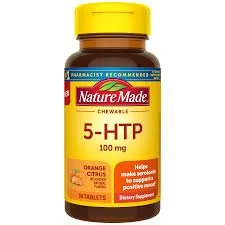
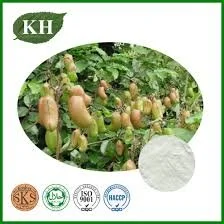

5-HTP (5-Hydroxytryptophan) is a naturally occurring compound that your body makes from the amino acid tryptophan. It is a precursor to serotonin, a neurotransmitter that plays a key role in mood, sleep, appetite, and pain perception.
Here are the main benefits of 5-HTP, based on current research:
1. Improved Mood and Depression Relief
How it works: 5-HTP increases serotonin levels in the brain, which is often low in people with depression.
Research: Some studies suggest 5-HTP may be as effective as certain antidepressants (SSRIs), particularly for mild to moderate depression.
Caution: Should not be combined with SSRIs, MAOIs, or other antidepressants due to risk of serotonin syndrome.
2. Better Sleep Quality
How it helps: Increases serotonin, which is converted into melatonin, the hormone that regulates sleep.
Benefits: May improve sleep onset, duration, and quality, especially in people with insomnia.
3. Appetite Suppression and Weight Loss
Effect: Reduces appetite by increasing satiety.
Use: May help people who overeat due to emotional reasons or carb cravings.
4. Reduced Anxiety
Mechanism: By boosting serotonin, 5-HTP may reduce anxiety levels and increase feelings of calm.
Evidence: Some small studies support this, though more research is needed compared to depression and sleep.
5. Fibromyalgia Symptom Relief
Reported benefits: Reduced pain, improved sleep, and decreased anxiety and fatigue.
Note: Not a standalone treatment but may be a helpful supplement.
6. Migraine and Headache Relief
Benefit: May reduce the frequency and severity of migraines by stabilizing serotonin levels, which affect blood vessels and nerve signals in the brain.
FREE PRINTABLE HANDOUT BELOW
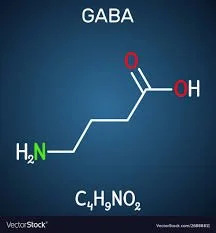
Gamma-Aminobutyric Acid (GABA)


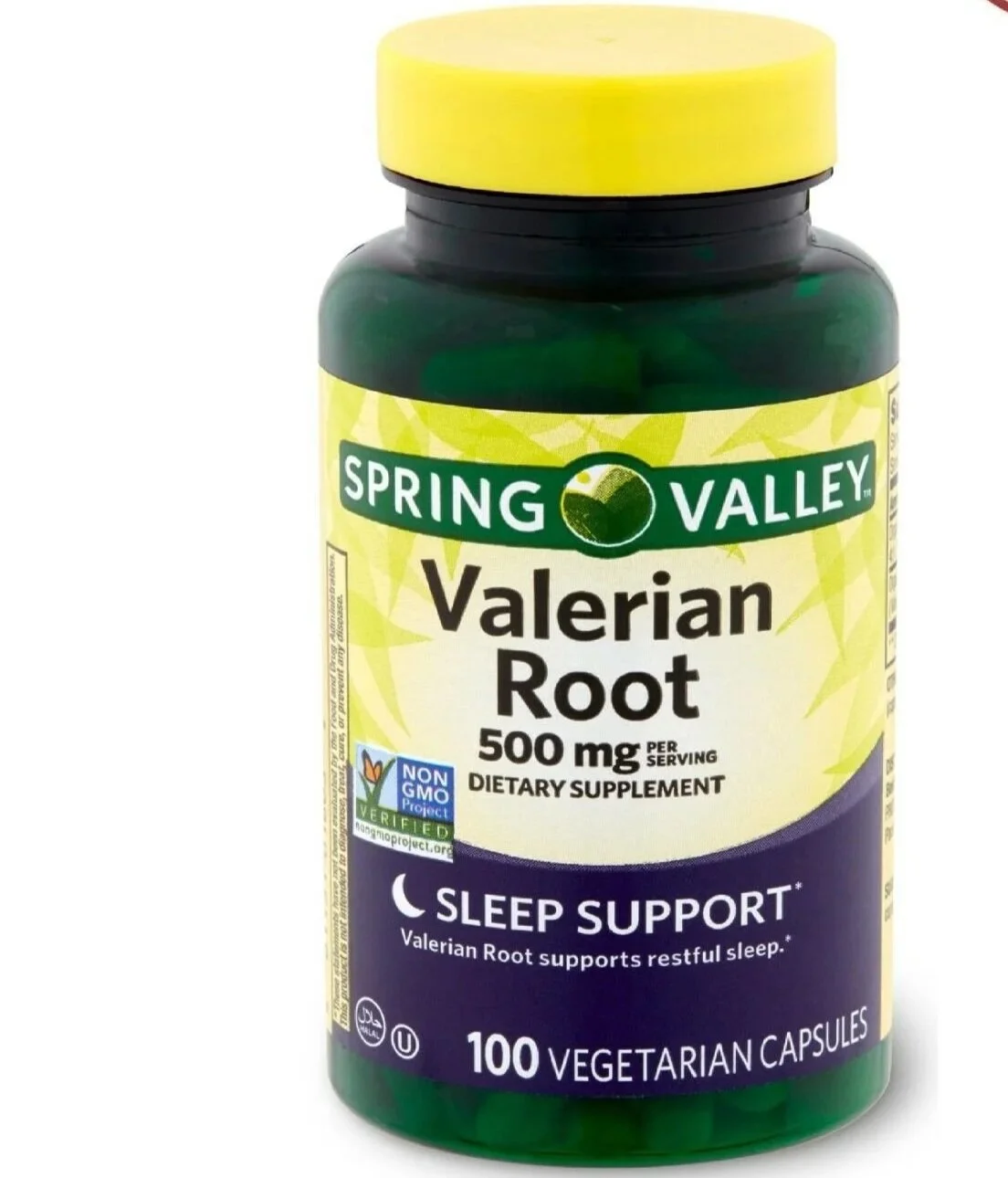
Valerian Root



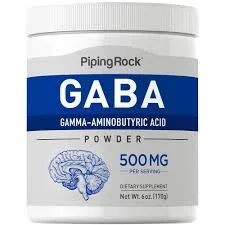
Gamma-Aminobutyric Acid (GABA) is a neurotransmitter that plays a key role in calming the nervous system and promoting relaxation. GABA supplements are popular for their potential to enhance mental and physical well-being. Below are some of the potential benefits:
1. Stress Reduction and Relaxation
GABA is known to inhibit neural activity, which can help reduce feelings of stress and promote a sense of calm.
It may support relaxation by balancing the excitatory and inhibitory signals in the brain.
2. Improved Sleep Quality
GABA's calming effect may aid in falling asleep and improving sleep quality.
Some studies suggest it can help reduce the time it takes to fall asleep.
3. Anxiety Management
GABA supplements are often used to alleviate mild anxiety symptoms.
They may help lower excessive neural activity associated with anxious thoughts.
4. Mood Enhancement
By promoting a balanced nervous system, GABA might contribute to improved mood and emotional stability.
5. Better Focus and Reduced Hyperactivity
GABA may help enhance focus by reducing overstimulation in the brain.
It could be particularly beneficial for people experiencing hyperactivity or difficulty concentrating.
6. Muscle Relaxation
GABA has a role in reducing muscle tension and promoting physical relaxation.
7. Potential Role in Pain Management
Some research suggests that GABA may help modulate pain perception.
8. Support for Blood Pressure Regulation
GABA may have a mild effect on lowering blood pressure due to its relaxation properties.
Considerations and Precautions
While GABA supplements can be beneficial, their effectiveness varies between individuals. Some key points to keep in mind:
Limited Evidence: Research on oral GABA supplements is still developing, and some scientists question whether it crosses the blood-brain barrier effectively.
Side Effects: GABA is generally well-tolerated, but excessive doses may cause drowsiness, dizziness, or gastrointestinal issues.
Interactions: Consult with a healthcare provider before using GABA supplements, especially if you take medications or have underlying conditions.
Using GABA supplements for anxiety management can be a natural approach to promoting relaxation and reducing anxious feelings. Here’s some tailored advice:
How GABA May Help with Anxiety
GABA inhibits overactive neural activity, which can help calm the mind and reduce anxiety symptoms.
It may lower the physiological responses associated with anxiety, such as rapid heartbeat and muscle tension.
Choosing a GABA Supplement
Form: GABA supplements are available as capsules, powders, or chewables. Choose a form that fits your preference.
Dosage:
A typical starting dose ranges from 100–500 mg per day.
Begin with a lower dose to assess tolerance and gradually increase if needed, as directed by a healthcare provider.
Look for High-Quality Brands:
Choose a supplement that’s third-party tested to ensure safety and potency.
Some formulations combine GABA with other calming ingredients like L-theanine, magnesium, or ashwagandha for enhanced effects.
How to Use GABA for Anxiety
Timing: Take GABA 30–60 minutes before situations that trigger anxiety or as part of your evening routine to wind down.
Consistency: Daily use may help maintain more stable levels of relaxation, but situational use is also common.
Additional Tips to Maximize Benefits
Combine with Lifestyle Strategies:
Practice mindfulness, meditation, or deep-breathing exercises to enhance the calming effects of GABA.
Regular exercise can boost natural GABA production in the brain.
Nutrition:
Eat foods rich in GABA or that promote its production, like fermented foods (kimchi, yogurt), green tea, and whole grains.
Avoid Overstimulation:
Limit caffeine and sugar, as these can increase anxiety and counteract GABA’s calming effects.
Precautions
Consult Your Doctor:
Especially if you’re pregnant, nursing, or taking medications like benzodiazepines or antidepressants, as there may be interactions.
Watch for Side Effects:
GABA is generally safe, but some people may experience mild drowsiness or dizziness.
FREE PRINTABLE HANDOUT BELOW
Valerian root is a popular herbal supplement that has been used for centuries to support relaxation, sleep, and overall well-being. Here are some of the benefits commonly associated with valerian root:
1. Improved Sleep Quality
Valerian root is often used as a natural remedy for insomnia and other sleep disorders. It may help reduce the time it takes to fall asleep and improve sleep quality by promoting relaxation.
2. Reduced Anxiety and Stress
Valerian root has calming properties and may help reduce feelings of anxiety and stress by affecting gamma-aminobutyric acid (GABA) levels in the brain, which helps regulate nervous system activity.
3. Relief from Menstrual Discomfort
Some studies suggest that valerian root may help alleviate menstrual cramps due to its muscle-relaxing and antispasmodic properties.
4. Support for Relaxation
As a mild sedative, valerian root can promote relaxation without the drowsiness associated with pharmaceutical sedatives, making it a popular choice for stress management.
5. Help with Mild Depression
Though more research is needed, some evidence suggests valerian root might have mood-enhancing effects, which could be beneficial for individuals with mild depression.
6. Relief from Restlessness
Valerian root may help calm restlessness or hyperactivity, making it a potential aid for people with conditions like ADHD.
7. Digestive Benefits
The herb is sometimes used to relieve mild digestive discomfort, particularly when related to stress or nervous tension.
Precautions and Side Effects
While valerian root is generally considered safe for most people, it’s essential to keep the following in mind:
Potential Side Effects: Mild side effects may include headaches, dizziness, stomach upset, or drowsiness.
Interactions: Valerian root can interact with alcohol, sedatives, and medications that affect the central nervous system, so consult a healthcare provider before use.
Pregnancy and Breastfeeding: It is not recommended for pregnant or breastfeeding women due to limited research.
Prolonged Use: Long-term use may lead to dependence or withdrawal-like symptoms in some cases, so it's best used occasionally or under medical supervision.
If you're considering valerian root supplements, it's a good idea to consult a healthcare provider, especially if you have underlying health conditions or are taking other medications.
FREE PRINTABLE HANDOUT BELOW
St. John’s Wort (Hypericum perforatum)



St. John’s Wort (Hypericum perforatum) is a herbal supplement widely recognized for its potential benefits in mental health, particularly in managing mild to moderate depression. Here's a comprehensive review of its uses, effectiveness, and considerations:
Uses and Effectiveness
Depression:
Mild to Moderate Depression: Multiple studies indicate that St. John's Wort is more effective than a placebo and comparable to standard antidepressants in treating mild to moderate depression. A 2016 systematic review found that its efficacy was similar to that of prescription antidepressants, with potentially fewer side effects.
Major Depression: The effectiveness of St. John's Wort in treating major depression is less clear. Some studies suggest benefits, while others do not. For instance, a 2002 study published in JAMA found that St. John's Wort was not more effective than a placebo in treating major depression.
2. Anxiety:
Limited evidence suggests it might help alleviate mild anxiety, though it's not as well-supported as its use for depression.
3. Seasonal Affective Disorder (SAD):
May complement light therapy in treating SAD, though more research is needed.
4. Other Uses:
Some evidence suggests potential benefits for menopausal symptoms, wound healing (topical use), and symptoms of PMS.
5. Mechanism of Action
The active compounds, including hyperforin and hypericin, are thought to regulate neurotransmitters like serotonin, similar to antidepressant medications.
Safety and Side Effects
Common Side Effects:
Dry mouth
Dizziness
Gastrointestinal upset
Fatigue
Photosensitivity (increased sensitivity to sunlight)
Drug Interactions:
St. John’s Wort is known for significant interactions with medications, as it induces liver enzymes (CYP3A4). This can reduce the effectiveness of:
Oral contraceptives
Anticoagulants (e.g., warfarin)
Antidepressants
Antiepileptics
HIV medications
Immunosuppressants (e.g., cyclosporine)
Serotonin Syndrome:
Combining St. John’s Wort with other serotonergic agents (e.g., SSRIs, MAOIs, or triptans) can lead to serotonin syndrome, a potentially life-threatening condition.
Pregnancy and Breastfeeding:
Not recommended due to limited safety data.
Dosage and Administration
Typical dosage: 300 mg of standardized extract (0.3% hypericin or 2-5% hyperforin) taken 2-3 times daily.
It may take several weeks of consistent use to notice effects.
Scientific Consensus
Effective for mild to moderate depression: Strong evidence supports its use.
Limited efficacy for severe depression: It is less effective for severe cases and is not a substitute for professional psychiatric care.
Considerations
Always consult a healthcare provider before starting St. John’s Wort, especially if taking other medications.
Be cautious with self-diagnosis and treatment of mental health conditions.
FREE PRINTABLE HANDOUT BELOW
L-Theanine



L-Theanine is an amino acid primarily found in green tea and black tea, known for promoting relaxation without causing drowsiness. It's widely used for stress relief, improved focus, and better sleep quality.
Here are the key benefits of L-Theanine:
1. Promotes Relaxation Without Sedation
How it works: Increases alpha brain waves—associated with a calm, alert mental state.
Result: Eases mental tension without making you feel sleepy or sluggish.
Often described as a “relaxed focus.”
2. Reduces Stress and Anxiety
Effects: Can help reduce acute stress, such as during exams or high-pressure situations.
Synergy: Works especially well when combined with caffeine, offsetting the jitteriness while preserving alertness.
3. Enhances Mental Focus and Attention
Especially helpful for improving focus in stressful environments.
Used in nootropic stacks for cognitive enhancement.
4. Supports Better Sleep Quality
Improves sleep by promoting relaxation and reducing anxiety, not by sedating.
May help fall asleep faster and enhance REM sleep, especially in those with high-stress levels.
5. May Support Immune Function
Some studies suggest it enhances the body's immune response, though this benefit is still being researched.
6. May Help Lower Blood Pressure
By promoting relaxation and reducing stress, L-Theanine may contribute to lowering blood pressure, especially during stressful tasks.
FREE PRINTABLE HANDOUT BELOW